
- English
- Español
- Português
- русский
- Français
- 日本語
- Deutsch
- tiếng Việt
- Italiano
- Nederlands
- ภาษาไทย
- Polski
- 한국어
- Svenska
- magyar
- Malay
- বাংলা ভাষার
- Dansk
- Suomi
- हिन्दी
- Pilipino
- Türkçe
- Gaeilge
- العربية
- Indonesia
- Norsk
- تمل
- český
- ελληνικά
- український
- Javanese
- فارسی
- தமிழ்
- తెలుగు
- नेपाली
- Burmese
- български
- ລາວ
- Latine
- Қазақша
- Euskal
- Azərbaycan
- Slovenský jazyk
- Македонски
- Lietuvos
- Eesti Keel
- Română
- Slovenski
- मराठी
- Srpski језик
چین گرافیت ایزوستاتیک تولید کنندگان، تامین کنندگان، کارخانه
Carbon/graphite material molding essentially involves increasing the density of the powder mixture and ensuring close contact between the aggregate and binder to produce a green body with a desired size, morphology, and minimal machining allowance. The four main molding methods are extrusion, compression molding, vibration molding, and isostatic pressing. Common carbon/graphite materials on the market (for example, charcoal used for household fires) are mostly formed using hot extrusion and compression molding (cold or hot). Isostatic pressing offers superior molding performance.
The principle of isostatic pressing is based on Pascal's law: pressure applied to a medium (liquid or gas) in a sealed container is uniformly distributed in all directions, with the pressure on the surface being proportional to the surface area. Isostatic pressing involves placing a sample, enclosed in a sealed container, within a high-pressure cylinder. Leveraging the incompressible nature of the liquid medium and its ability to uniformly transmit pressure, the sample is uniformly pressed from all directions. When the fluid is injected into the cylinder, the pressure is evenly transmitted in all directions according to the principles of fluid mechanics. The sample in the cylinder is then subjected to uniform pressure in all directions.
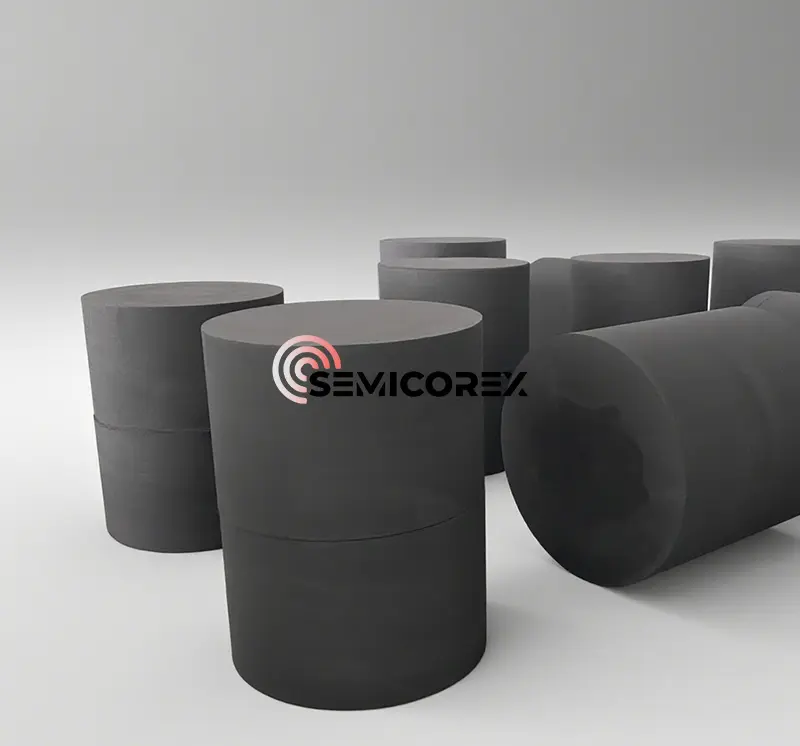
Due to the isostatic pressing method, isostatically pressed graphite exhibits excellent isotropy, with properties independent of shape, size, or sampling direction. The material possesses a dense microstructure, high mechanical strength, high surface hardness, and oxidation resistance. Strong performance and high-temperature resistance; the material has excellent thermal shock resistance and is less susceptible to cracking under rapid cooling and heating conditions.
1. Isotropy
Different molding methods result in different properties in different directions. This is primarily reflected in resistivity, thermal conductivity, mechanical properties, and thermal expansion coefficient. The general measurement method is to sample the product perpendicular to and horizontally from the pressure surface, measure the properties separately, and then divide the smallest value by the largest value to obtain the isotropy ratio.
Traditional carbon/graphite products exhibit significant anisotropy, i.e., the properties of the product are different in the directions perpendicular to and horizontal to the pressure surface. The corresponding difference in performance is generally greater than 1:1.1, hence the term anisotropy. In many cases, this difference is fully exploited, and the greater the difference, the better. Examples include graphite electrodes for steelmaking and brushes for motors. Many applications, such as EDM and single-crystal silicon thermal field applications, increasingly require carbon/graphite products to exhibit isotropy (with an orientation ratio within the 1:1.05 range).
2. Large Dimensions
The market is increasingly demanding larger product sizes. For example, single-crystal silicon products have grown from 6- and 8-inch sizes to 12-inch sizes. The size of graphite materials used in thermal fields is also increasing. This is also increasing. Similar trends are seen in other related industries. Graphite for EDM, continuous casting, and nuclear reactors also requires large-scale products. This is difficult to achieve using molding and extrusion methods. The primary problem with large-scale product production is calcination cracking, and the larger the product, the higher the chance of calcination cracking.
3. Fine Structure
As a structural material, it requires high physical and chemical properties. On the one hand, the finer the particle size of the carbon particles that make up the carbon/graphite material, the denser its texture and the higher its mechanical strength.
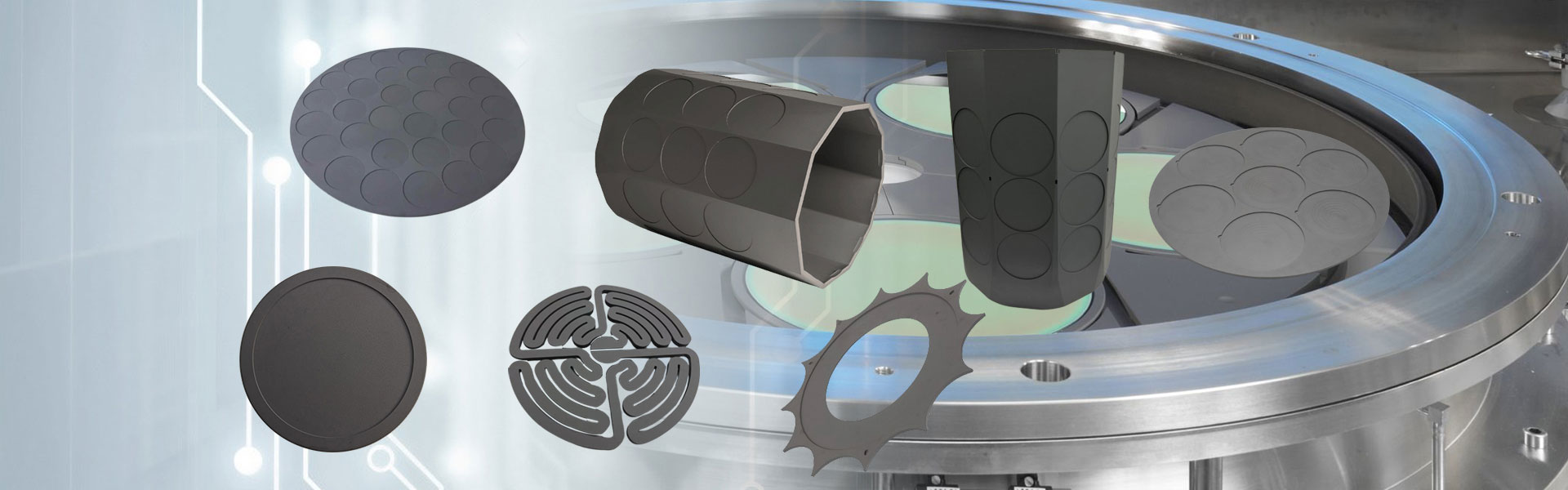
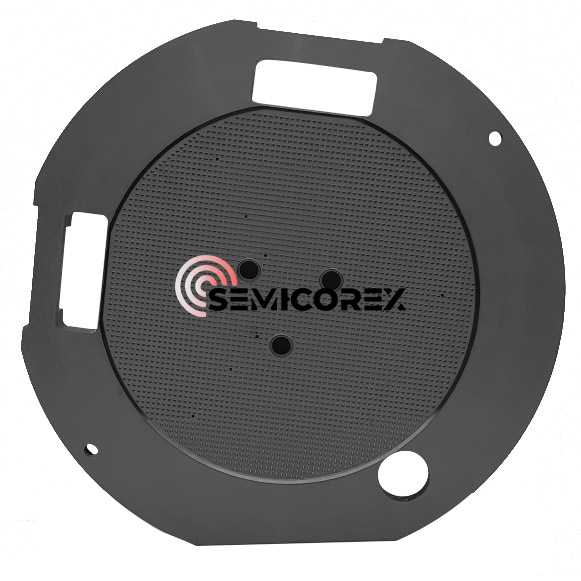
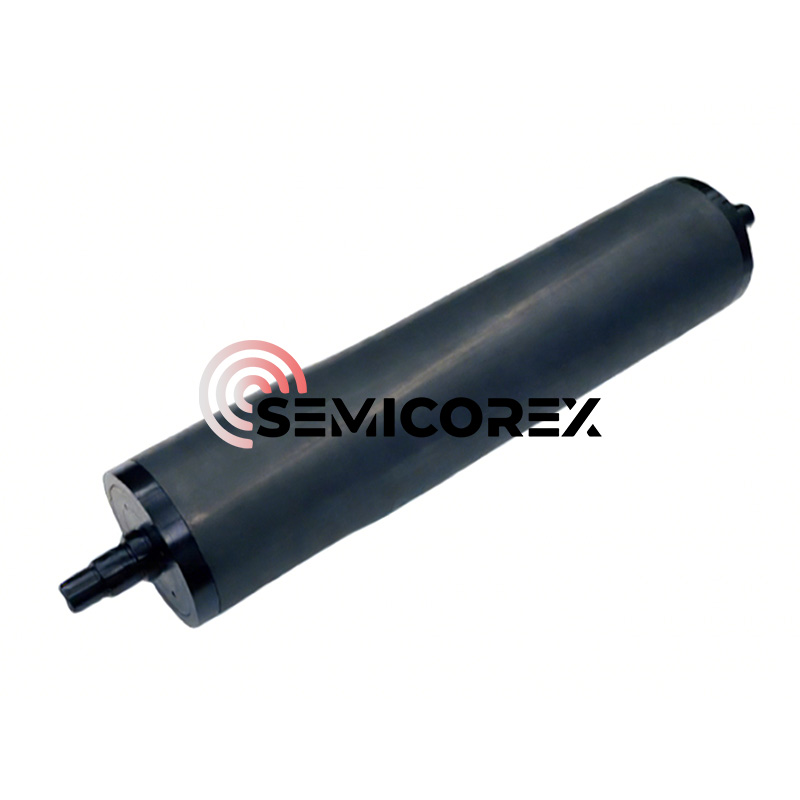
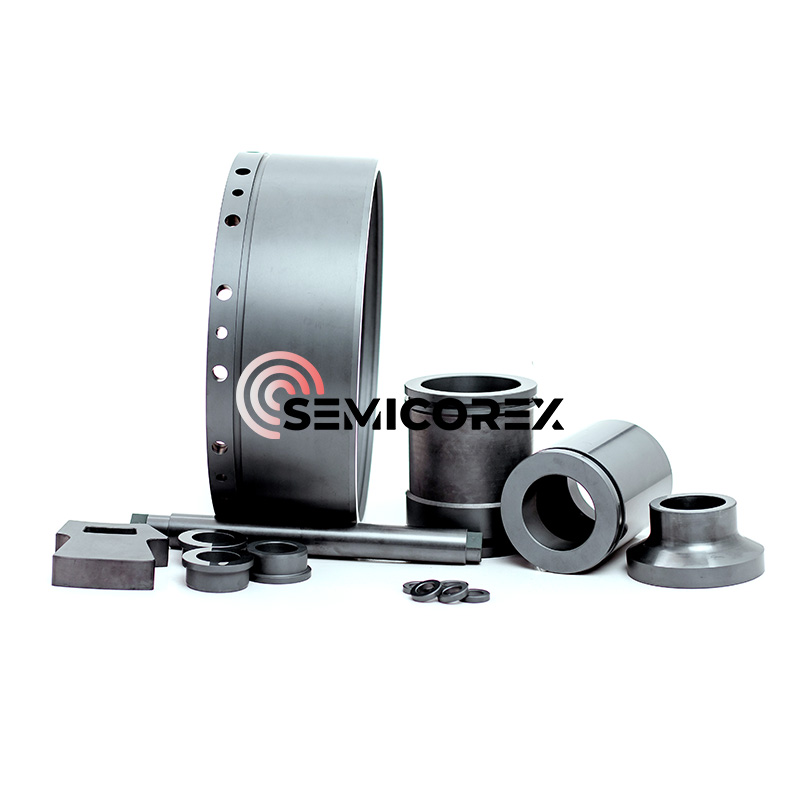
Isostatically pressed graphite is widely used in semiconductor manufacturing processes. It is used in graphite components for the hot zone of single crystal growth furnaces, such as crucibles, heaters, flow guides, and insulation covers; and in graphite components used in epitaxial processes.
- View as
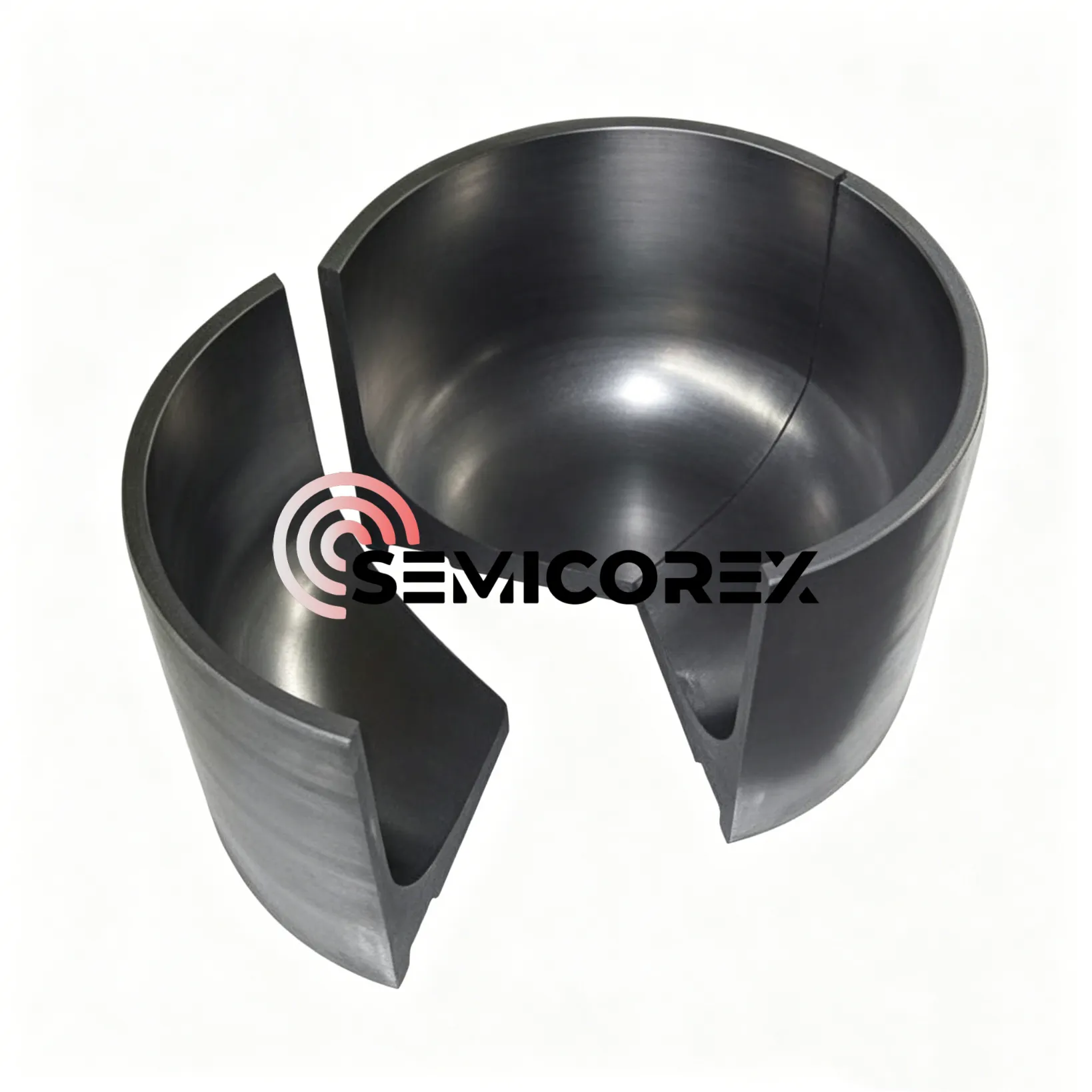
بوته های گرافیتی سه تکه
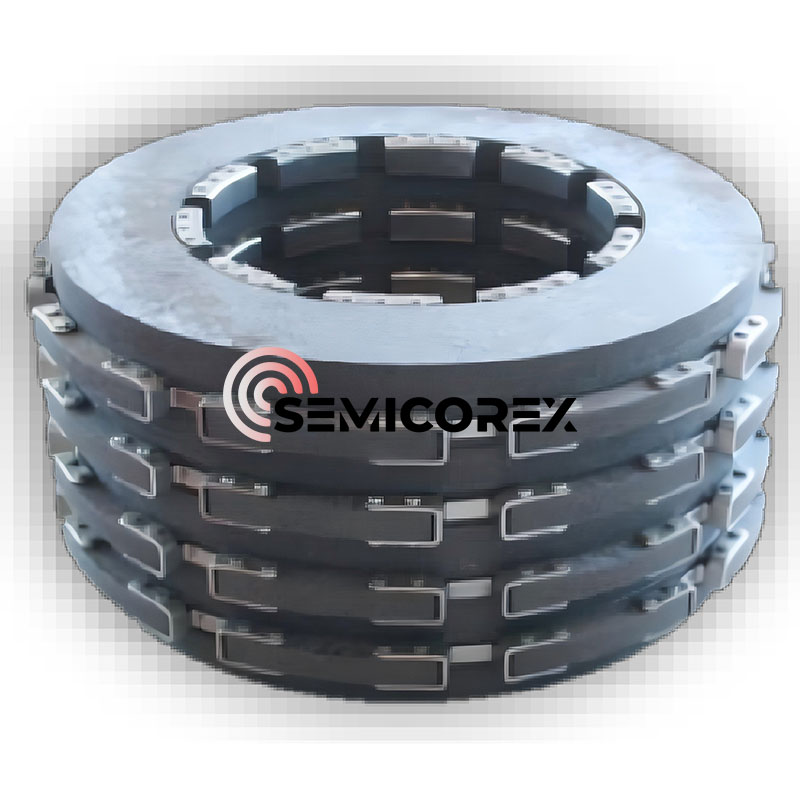
بوته های گرافیتی سه تکه Semicorex ظروف گرافیت تقسیم شده با کارایی بالا هستند که به طور خاص برای فرآیندهای رشد سیلیکون تک کریستالی مهندسی شده اند. ایده آل برای عملیات حرارتی نیمه هادی بالا، بوته گرافیتی سه تکه Semicorex می تواند به طور قابل اعتماد بوته کوارتز و مواد داخلی آن را برای دستیابی به رشد کنترل شده ساختارهای تک کریستالی پشتیبانی کند.
ادامه مطلبارسال استعلام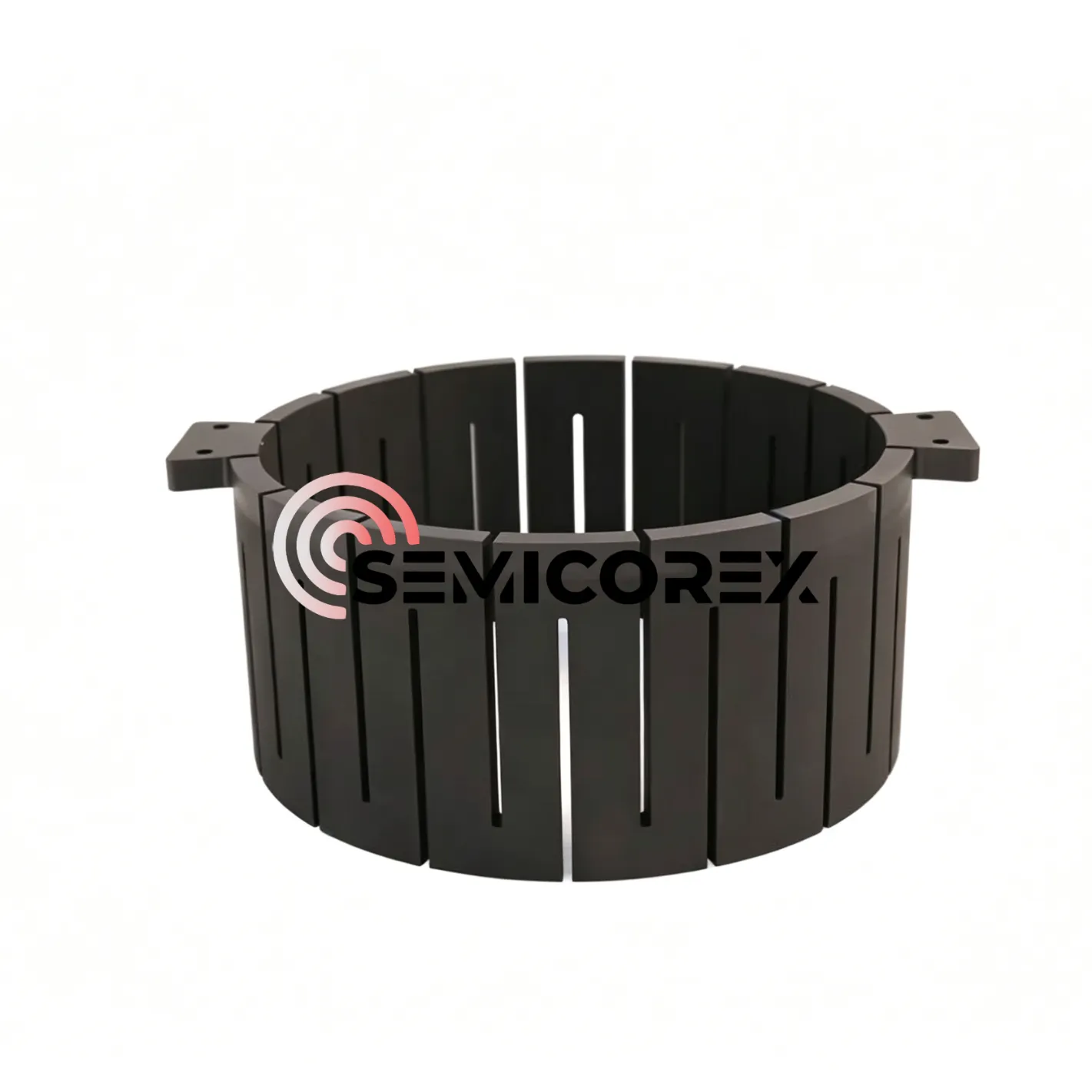
بخاری های گرافیتی آستین دار
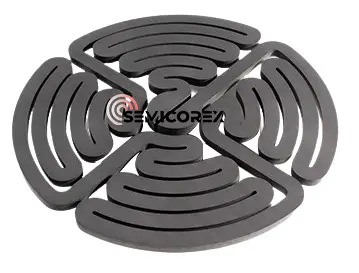
بخاری های گرافیتی از نوع آستین Semicorex، عناصر گرمایشی با راندمان بالا، به طور گسترده در کوره های رشد تک کریستال استفاده می شود. بخاری های گرافیتی از نوع آستین Semicorex اجزای مهم گرمایشی هستند که به طور گسترده در کوره های تک کریستال استفاده می شوند و به طور خاص برای رشد سیلیکون تک کریستالی با کیفیت بالا طراحی شده اند. انتخاب Semicorex انتخاب راه حل های گرمایش ایده آل است.
ادامه مطلبارسال استعلام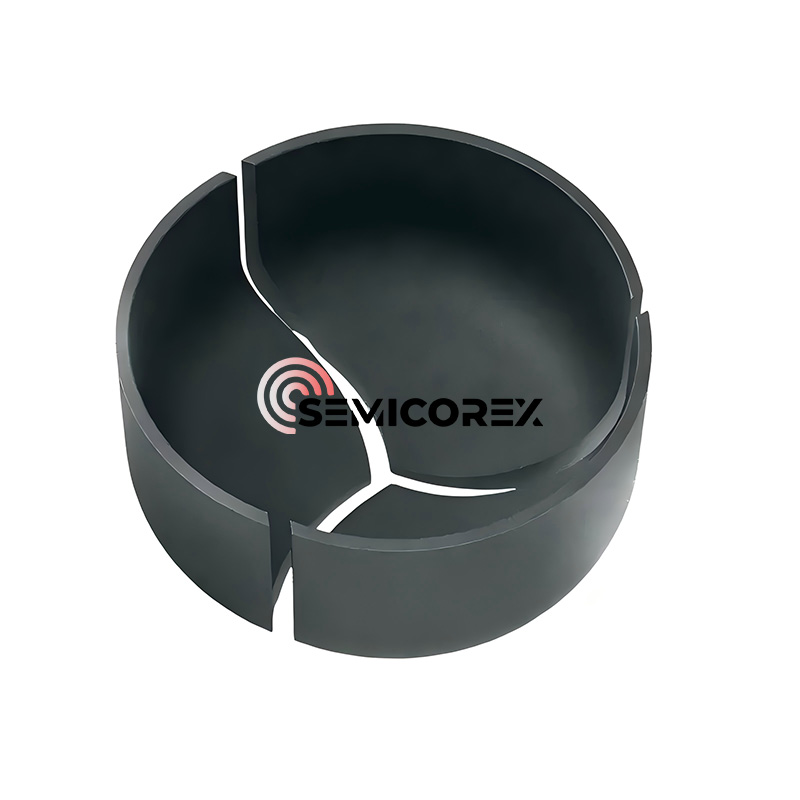
بوته گرافیتی سه گلبرگ
بوته های گرافیتی سه گلبرگ با خلوص بالا Semicorex دارای یک معماری نوآورانه ضد استرس هستند که برای به حداکثر رساندن بازده رشد کریستال در محیط های حرارتی نیمه هادی شدید طراحی شده است. Semicorex راه حل های مواد نیمه هادی در سطح جهانی را در سرتاسر جهان ارائه می دهد و صنایع پیشرفته را با قطعات گرافیت و سرامیک با مهندسی دقیق که توسط لجستیک جهانی قابل اعتماد پشتیبانی می شود، توانمند می کند.*
ادامه مطلبارسال استعلام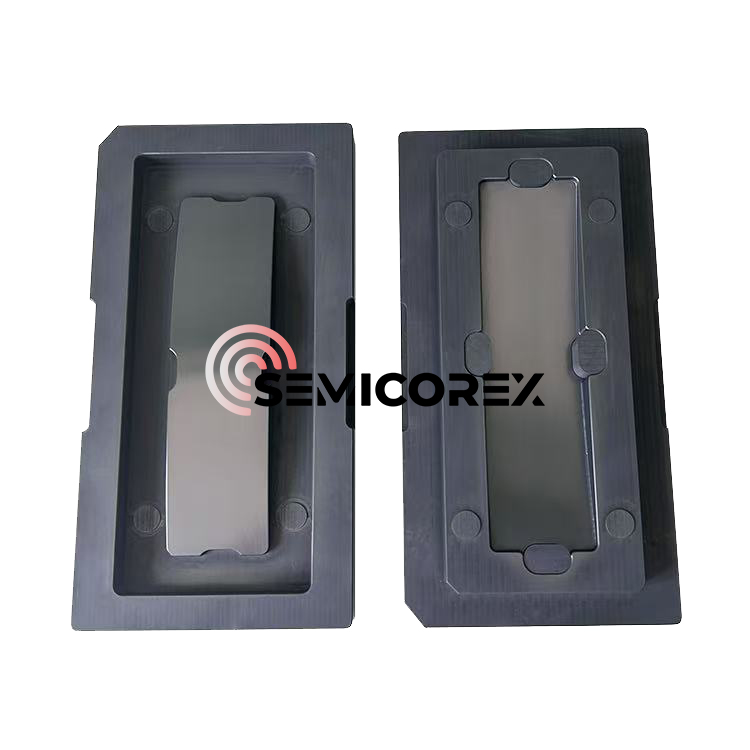
قالب شیشه ای گرافیت خمش گرم
قالب گرافیت شیشه ای خم گرم Semicorex با مهندسی دقیق از گرافیت ریزدانه و با خلوص بالا ساخته شده است تا مقاومت استثنایی در برابر حرارت بالا، پایداری شوک حرارتی، خود روانکاری و دوام شیمیایی را ارائه دهد و شیشه منحنی سه بعدی با کیفیت بالا را با حداقل نقص تضمین کند. Semicorex به دلیل تخصص عمیق، طراحی قالب پیشرفته، و کنترل دقیق فرآیند، به حداکثر رساندن عملکرد و برآورده کردن سختترین نیازهای تولید، انتخاب شده است.
ادامه مطلبارسال استعلام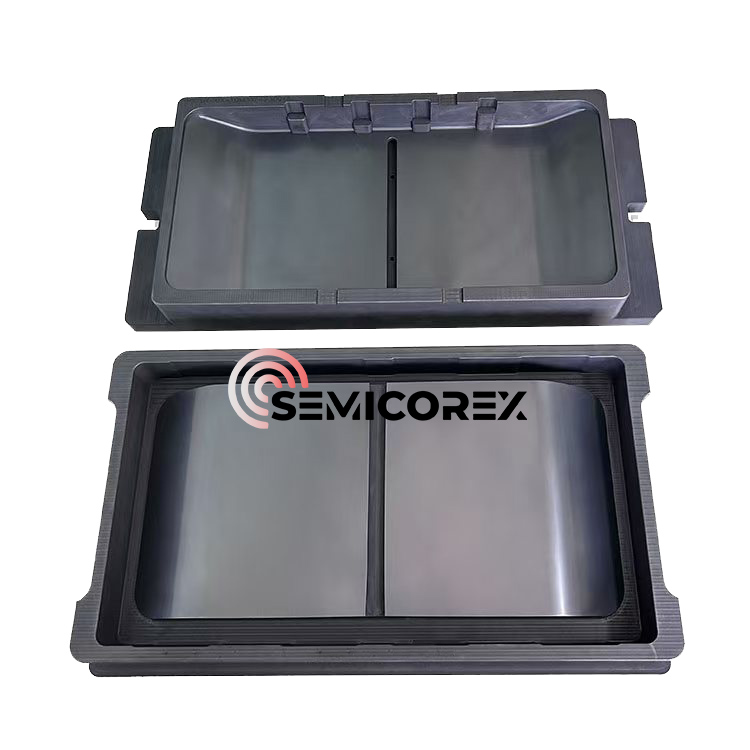
قالب گرافیتی شیشه خمشی داغ سه بعدی
قالب گرافیتی شیشه خمشی گرم سه بعدی Semicorex یک قالب گرافیت ایزواستاتیک سطح بالا است که برای خمش گرم شیشه منحنی سه بعدی طراحی شده است که پایداری حرارتی عالی، هدایت حرارتی، مقاومت در برابر سایش و خوردگی، بهبود کیفیت سطح شیشه، افزایش عمر قالب و افزایش قابل توجهی راندمان و بازده تولید را ارائه می دهد. Semicorex به دلیل کیفیت قابل اعتماد، عرضه مداوم و تخصص در ارائه راه حل های پیشرفته گرافیت در سراسر جهان انتخاب شده است.*
ادامه مطلبارسال استعلام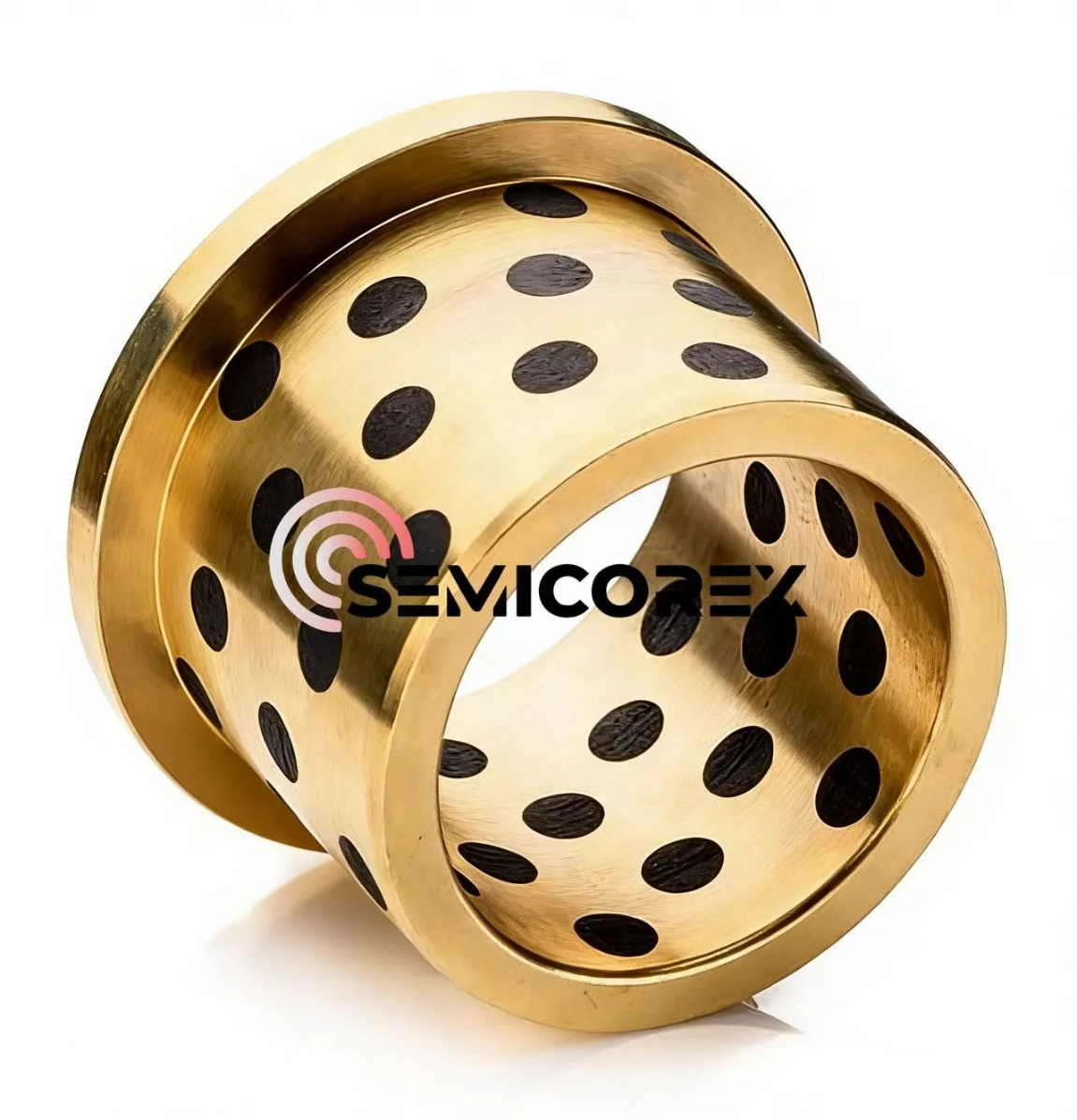
بوش های خود روان کننده گرافیت
بوش های خود روان شونده گرافیت Semicorex که بوشینگ های بدون روغن نیز نامیده می شوند، اجزای بلبرینگ کشویی با کارایی بالا هستند که به طور ویژه برای کار بدون روغن کاری خارجی یا تامین روغن طراحی شده اند. با عملکرد عالی، بوش های خود روان کننده گرافیت Semicorex راه حل های ایده آلی برای تجهیزاتی هستند که در محیط های پیچیده از جمله عملکرد بدون روغن، دماهای بالا، بارهای بالا، سرعت های پایین، ضد رسوب، مقاومت در برابر خوردگی و مقاومت در برابر تشعشع کار می کنند.
ادامه مطلبارسال استعلام
Semicorex سال هاست که گرافیت ایزوستاتیک را تولید می کند و یکی از تولید کنندگان و تامین کنندگان حرفه ای گرافیت ایزوستاتیک در چین است. پس از خرید محصولات پیشرفته و بادوام ما که بسته بندی فله را عرضه می کنند، ما مقدار زیادی را در تحویل سریع تضمین می کنیم. در طول سال ها، ما خدمات سفارشی را به مشتریان ارائه کرده ایم. مشتریان از محصولات و خدمات عالی ما راضی هستند. ما صمیمانه منتظر تبدیل شدن به شریک تجاری بلند مدت قابل اعتماد شما هستیم! به خرید محصولات از کارخانه ما خوش آمدید.